Performing a motor task requires a feedback loop that informs the brain of success of each motor action. For sensory impaired this means brain computer…
Bidirectional Interface for BCI
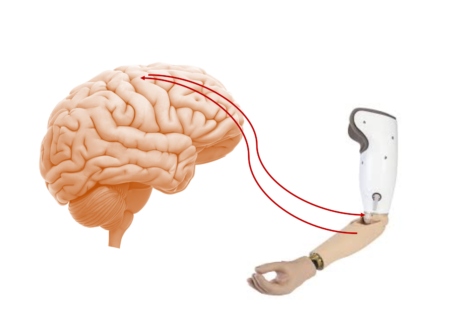

Performing a motor task requires a feedback loop that informs the brain of success of each motor action. For sensory impaired this means brain computer…
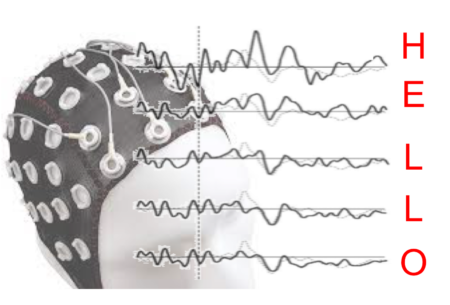
SSVEP-based spellers, a common BCI application, have improved in information transfer rates over the years. In the previous post we discussed the fundamentals of SSVEP-based…

Steady State Visual Evoked Potentials uses different frequencies of visual stimulii to distinguish between objects in BCI applications and have relatively high information transfer rates….

The P300 speller is a common Brain Computer Interface (BCI) application. It has many variations designed to improve its accuracy and speed. This article outlines…
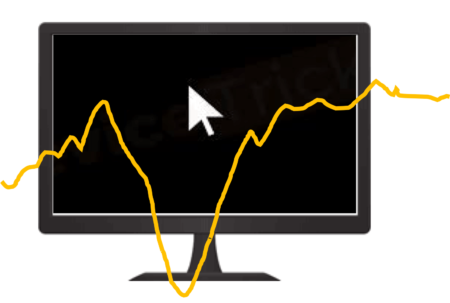
The P300 Event Related Potential or ERP is an EEG feature commonly used in BCI applications. It has some advantages but also some significant practical…
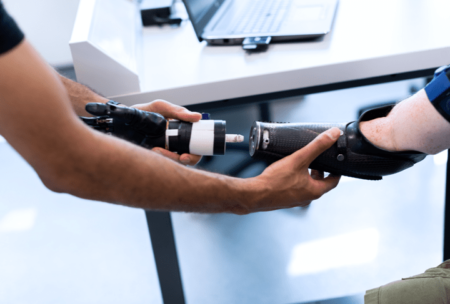
What is involved in a Brain Machine Interface (BMI; also called Brain Computer Interface or BCI) set-up? Here is a primer on paradigms for BMI…
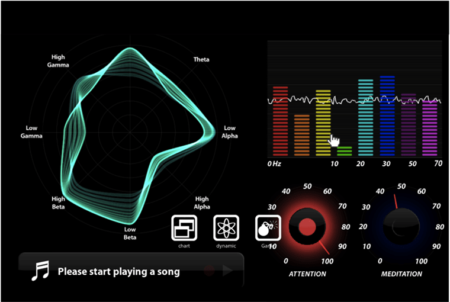
From neurofeedback and brain training to video games, apps that make use of your brain waves are growing in numbers and possibilities. It’s December 2014…
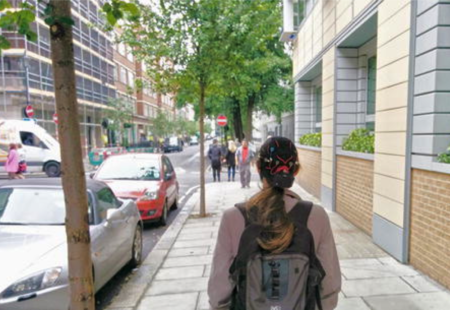
Using EEG to understand the relationship between the human mind and its environment. A future where machines, buildings and environments can better adapt to human…