DFA is a method to identify self-similarity of signals in time – a way of quantifying an aspect of memory. How does it work, how…
Detrended Fluctuation Analysis: A Glimpse at Memory in the EEG

DFA is a method to identify self-similarity of signals in time – a way of quantifying an aspect of memory. How does it work, how…
The mechanisms of peer review were defined at a simpler time before big data, more complex algorithms and millions of papers published annually. Here’s how…

The nascent field of neuroarchitecture seeks to identify the emotional and cognitive impact of visual forms and incorporate it into architectural design. In 1970, Jonas…
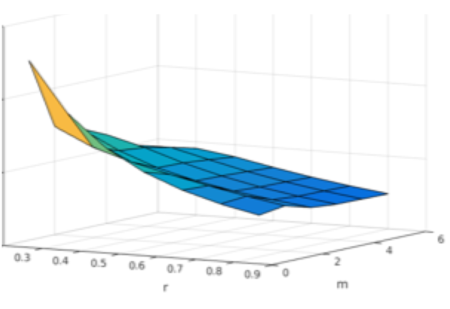
Entropy measures are affected by data length, choice of window length and threshold suggesting caution in how they are used and interpreted. In previous posts…
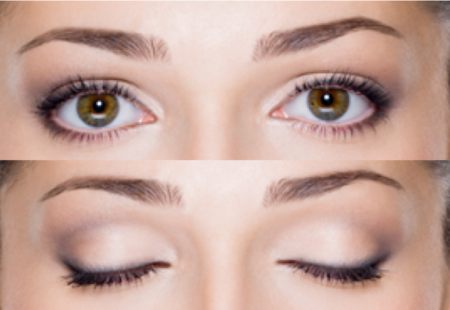
The prominent alpha peak in the power spectrum is the most visible difference between eyes open and eyes closed but the more interesting differences may…

Wearable sleep trackers have become ubiquitous. Most measure sleep based on movement, although new EEG based sleep headbands are hitting the market. How accurate are…

Data takes time and money to collect and is the core raw material of a lab but often it is managed poorly and not utilized…
What constitutes a good night sleep may not be so clear when it comes to what the brain is doing. Simple interpretations of function based…
Entropy measures quantify the uncertainty in the EEG, which roughly equates to the possible configurations or their predictability. However there are many method and parameter…
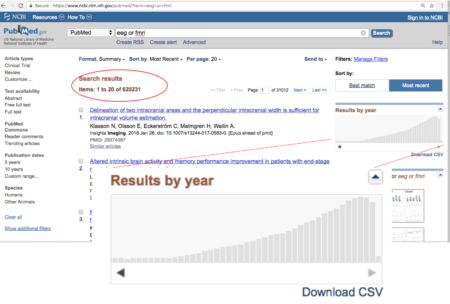
The sheer volume of scientific articles makes validation and discovery of results near impossible. The solution may lie in doing away with the journal article…