How do you perceive your Grandmother? It is still not known how the activity of neurons represent complex perceptual objects with many features. The theories…
Finding your Grandmother Inside Your Head
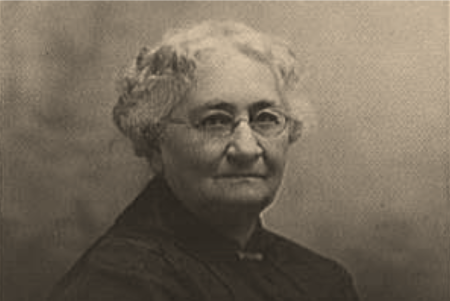

How do you perceive your Grandmother? It is still not known how the activity of neurons represent complex perceptual objects with many features. The theories…
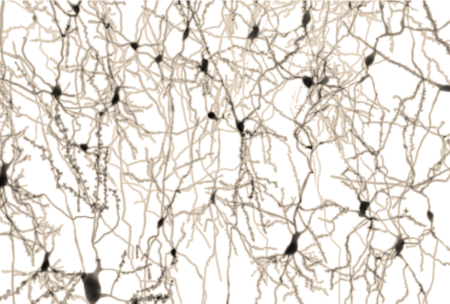
Much of neuroscientific research on brain signals is focused on studying the spiking activity of neurons in a dish. Can this really tell us how…
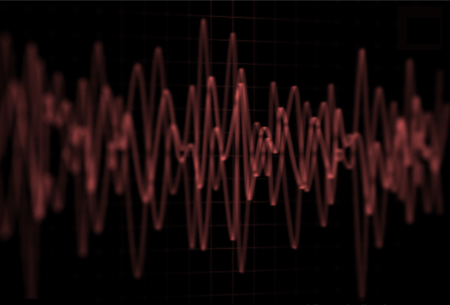
Electrical signals from the brain are not simply a superposition of sinusoids resulting in limitations of fourier analysis. A recently proposed cycle-by-cycle approach can shed…
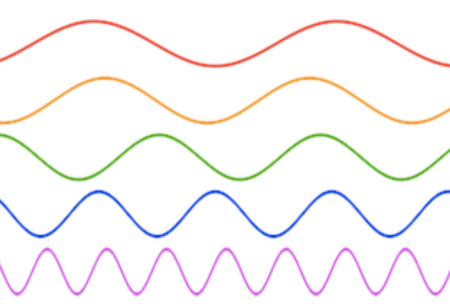
The most popular method of analyzing brain signals is to decompose it into its component sinusoids using the fourier transform. However a non-sinusoidal physiology poses…
Working memory, the capacity to keep things ‘in mind’ such as a phone number, is a phenomenon poorly understood in Neuroscience. What do we know…
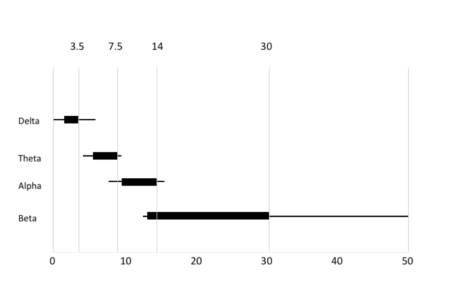
Defining the power spectrum in terms of different ranges named delta, theta, alpha, beta and gamma forms a fundamental framework in the EEG literature today. …
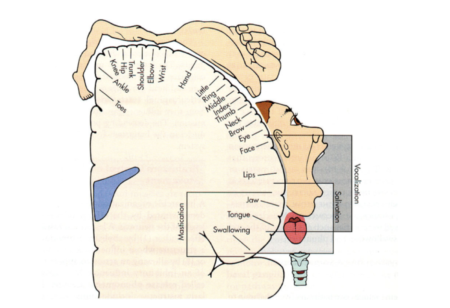
Some aspects of cortical localization are well established but it may be the atypical responses to cortical stimulation that hold the keys to the the…
Intelligence research has been the domain of psychology and sociology and barely intersects with neuroscience. Yet intelligence has everything to do with the brain, and…
Identifying the source within the brain from which an EEG signal element originates is a complex problem that requires a model of the head and…
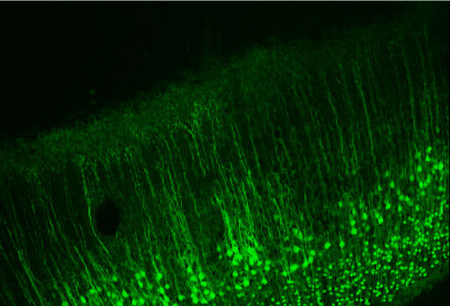
Solving the inverse problem in EEG to identify the source of a signal requires a number of assumptions to constrain the solution space. These assumptions…